
8 Tips for a Successful Transition from Middle School to High School
Moving from middle school to high school is a pivotal step in a student's educational path. Discover eight crucial tips for effectively navigating this transition. From academic readiness and effective time management to adapting socially and engaging in extracurricular activities, these insights empower students to excel in high school, setting the stage for a solid foundation of academic achievement. Students and parents can also explore transition strategies through the Edutopia high school transition guide.
- Get Organized for Success
- Embrace Time Management
- Take Academic Preparation Seriously
- Be Proactive in Seeking Support
- Adapt to a New Social Environment
- Explore Extracurricular Opportunities
- Seek Balance and Self-Care
- Stay Positive and Embrace Challenges
- High School Transition Tips Overview
- How Stemly Tutoring Helps
- FAQs
- Next Steps
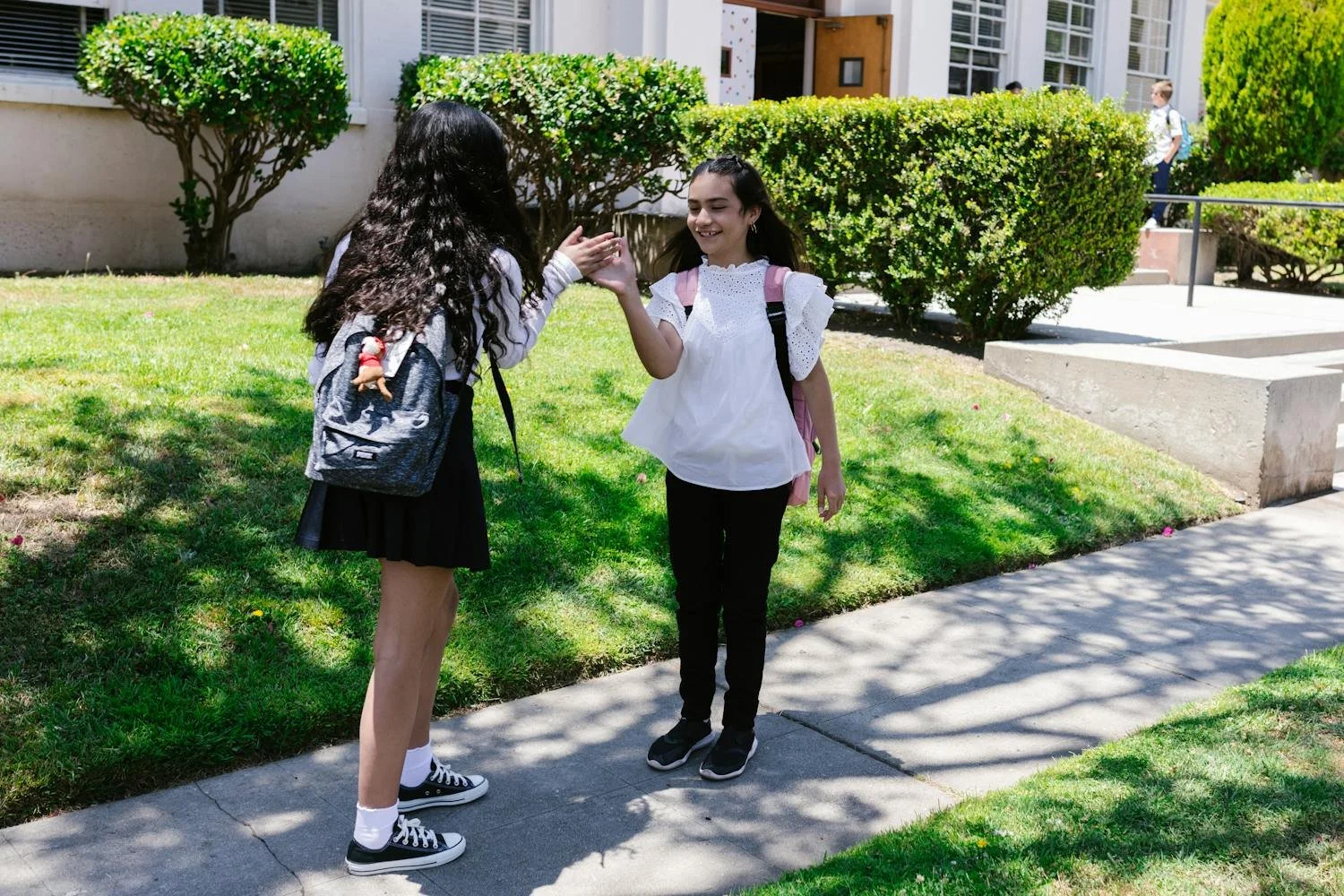
1. Get Organized for Success
The transition from middle school to high school signifies a significant shift in a student's academic journey. As students step into the dynamic environment of high school, it becomes essential to develop effective organizational skills. High school introduces a diverse range of subjects, assignments, and responsibilities. To stay on top of these commitments, students should consider investing in tools like planners, folders, and digital apps.
These tools help students keep track of their classes, homework assignments, and extracurricular engagements. By maintaining an organized approach, students can not only manage their time efficiently but also alleviate stress. Balancing academic responsibilities with personal obligations becomes more achievable when equipped with effective organizational strategies.
2. Embrace Time Management
Time management takes center stage as students transition from middle school to the bustling world of high school. With an increased load of demanding coursework and extracurricular activities, students need to master the art of prioritization. Effectively allocating time to various tasks becomes imperative.
Crafting a well-structured schedule that accounts for study sessions, extracurricular pursuits, and much-needed downtime can work wonders. By doing so, students strike a healthy work-life balance that not only prevents burnout but also fosters excellence in their pursuits. Time management not only propels academic success but also instills a valuable life skill that carries forward into college and beyond.
Students can also strengthen productivity skills through time management strategies.
3. Take Academic Preparation Seriously
High school academics often pose more rigorous challenges compared to middle school. To navigate this transition smoothly, students should lay a strong academic foundation. Reviewing key concepts from middle school and preparing for the academic demands of high school are fundamental steps.
Developing proactive study habits, seeking assistance from teachers whenever necessary, and setting academic goals are strategies that pay off. These practices not only ensure a strong academic footing but also equip students with the confidence to tackle the academic challenges unique to high school. By taking these actions, students can navigate the academic landscape with determination and success.
4. Be Proactive in Seeking Support
Amidst the transition to high school, seeking support becomes a crucial aspect of a student's journey. Building robust relationships with teachers, counselors, and peers can significantly ease the process. These connections provide a safety net of guidance, academic assistance, and a sense of belonging.
Actively fostering these relationships makes the transition smoother and more enjoyable. Engaging with educators and peers enhances the overall high school experience, instilling a sense of support that extends beyond the classroom. Such connections foster an environment where students feel encouraged to seek help and share their concerns openly.
5. Adapt to a New Social Environment
High school brings a new social environment that presents opportunities for personal growth and connection. Students are encouraged to approach this phase with an open mind, embracing the chance to form new friendships and connections.
While adapting to new social dynamics, it's essential to remain authentic and true to oneself. Demonstrating kindness, inclusivity, and respect towards others fosters a positive and inclusive social sphere. This environment not only nurtures lasting friendships but also instills a sense of belonging within the school community. Approaching social interactions with an open heart enriches the high school experience and sets the stage for meaningful connections.

6. Explore Extracurricular Opportunities
High school is a treasure trove of extracurricular activities tailored to diverse interests. Students are encouraged to explore the myriad clubs, sports teams, arts programs, and community service initiatives available.
Engaging in extracurricular activities extends learning beyond the classroom and provides a platform for personal growth. These pursuits offer opportunities to discover passions, refine leadership skills, and cultivate a sense of responsibility. Involvement in extracurriculars fosters connections that transcend academic boundaries, enriching the overall high school journey.
7. Seek Balance and Self-Care
The transition to high school can be both exhilarating and overwhelming. Prioritizing self-care is essential to maintain overall well-being. Adequate sleep, a balanced diet, and engaging in activities that bring joy contribute to physical and emotional health.
Navigating this transformative phase becomes smoother when students care for their well-being. Balancing academic pursuits with personal rejuvenation ensures that students approach high school challenges with renewed energy, resilience, and a clear mindset.
Students can also review wellness tips through the CDC student wellness resources.
8. Stay Positive and Embrace Challenges
Maintaining a positive mindset is a cornerstone of success in high school. Challenges are inherent in any educational journey, and high school is no exception. Viewing challenges as opportunities for growth and learning enhances personal development.
Approaching obstacles with determination and resilience builds essential life skills that extend far beyond high school. By embracing challenges with optimism, students cultivate a growth mindset that equips them to conquer hurdles and seize opportunities with confidence.
9. High School Transition Tips Overview
| Tip | Focus Area | Benefit |
|---|---|---|
| Organization | Planning and structure | Reduced stress |
| Time Management | Balanced schedule | Better productivity |
| Academic Preparation | Study habits | Improved performance |
| Seeking Support | Teacher and peer guidance | Stronger confidence |
| Social Adaptation | Building friendships | Sense of belonging |
| Extracurricular Activities | Leadership and interests | Personal growth |
| Self-Care | Wellness and balance | Better mental health |
| Positive Mindset | Resilience | Long-term success |
10. How Stemly Tutoring Helps
The transition from middle school to high school is a transformative phase that demands strategic preparation and adaptability. By focusing on organizational skills, time management, academic readiness, seeking support, social adaptation, extracurricular engagement, self-care, and a positive mindset, students can thrive in high school and beyond.
Stemly Tutoring provides specialized tutoring services for high school students, offering personalized support to help students excel academically and navigate the challenges of high school with confidence. With the guidance of experienced high school tutors, students can cultivate essential skills, build resilience, and embark on a successful high school journey.
Stemly Tutoring also offers comprehensive academic support across Math, Science, and AP courses, including Algebra, Geometry, Pre-Calculus, Calculus, Physics, Chemistry, Biology, and AP-level subjects.
11. FAQs
Q1: Why is the transition to high school important?
It sets the foundation for academic success, personal growth, and future college readiness.
Q2: How can students stay organized in high school?
Using planners, schedules, folders, and digital tools can help manage responsibilities effectively.
Q3: Why are extracurricular activities important?
They help students develop leadership, teamwork, and social skills.
Q4: Can tutoring help students adjust to high school?
Yes, tutoring provides academic support, confidence, and study strategies.
12. Next Steps
To prepare for a successful transition into high school:
Build strong organizational habits
Practice effective time management
Prepare academically before classes begin
Seek support from teachers and mentors
Stay involved in extracurricular activities
Prioritize balance and self-care
Students can also strengthen readiness through the Edutopia transition resources.
A positive mindset and strong preparation can make high school a rewarding and successful experience.
Ready to succeed in high school with confidence? Book a consultation call today and get expert academic support with Stemly Tutoring. Receive personalized guidance, study strategies, and tutoring support to help you thrive academically and personally.